CACE 2026
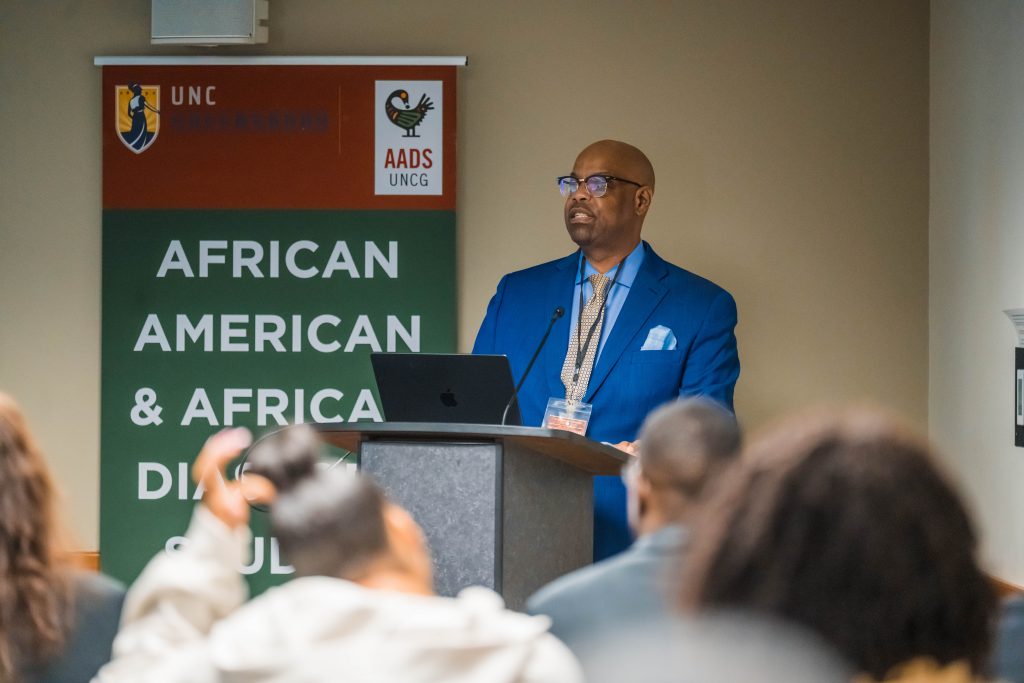
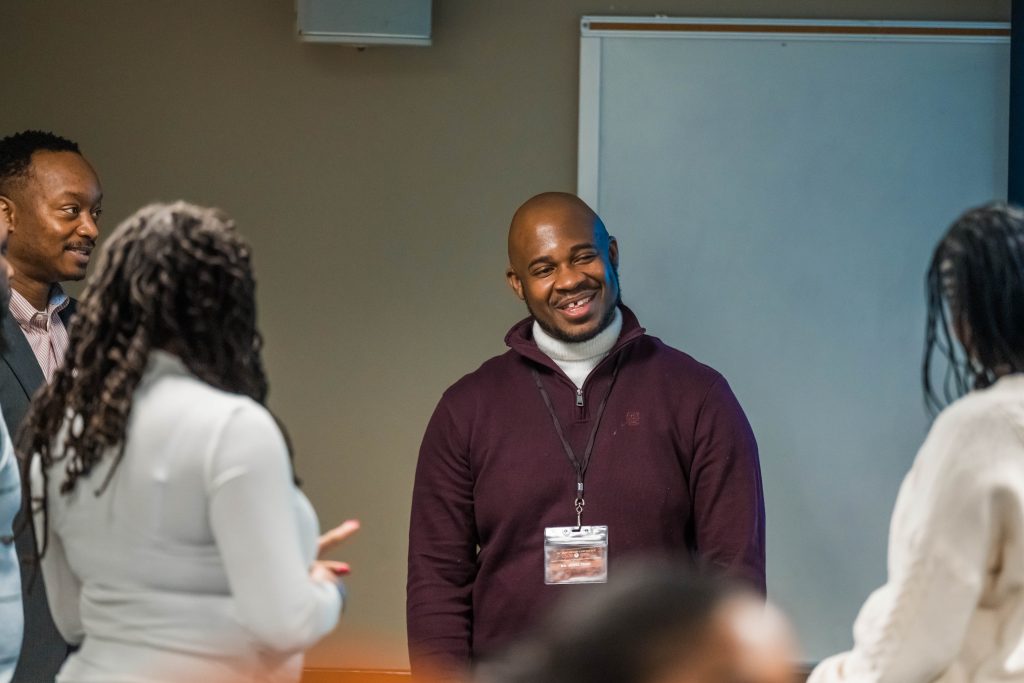
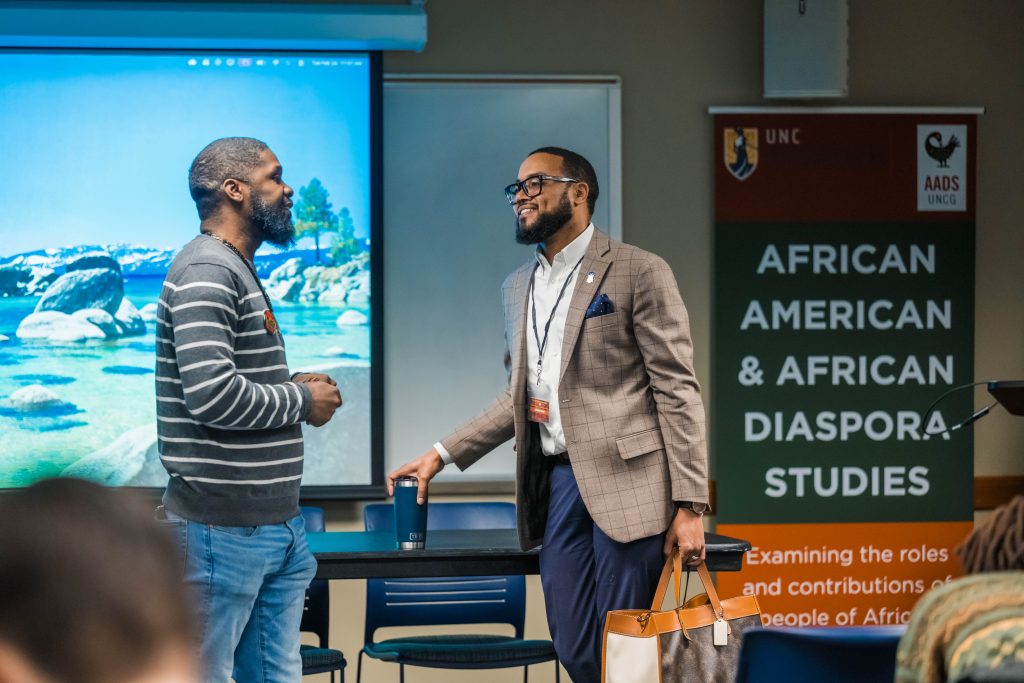
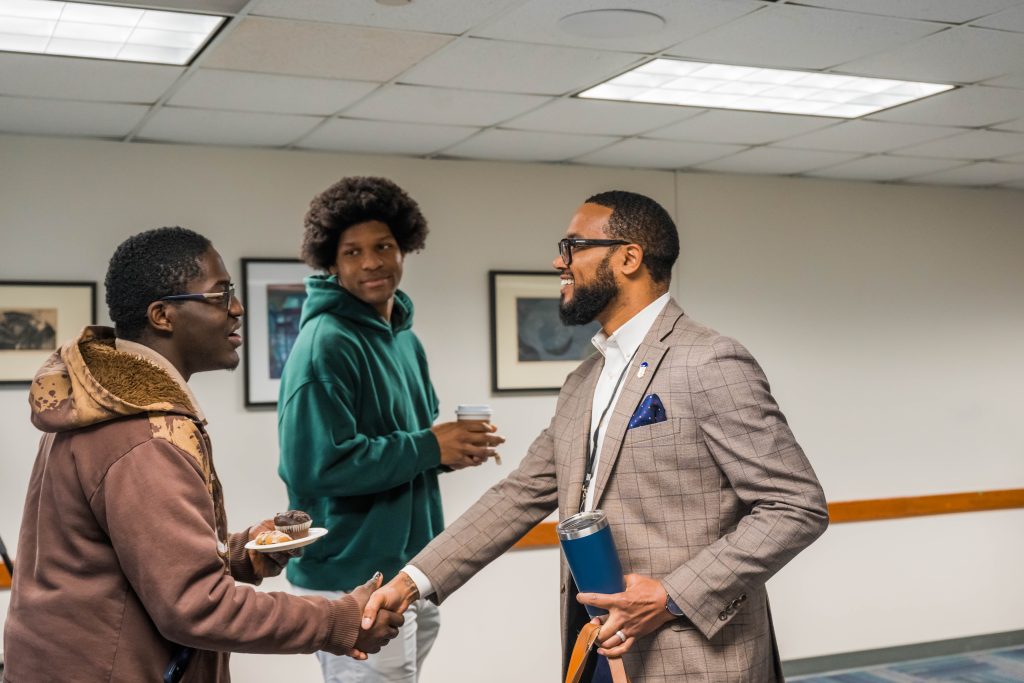
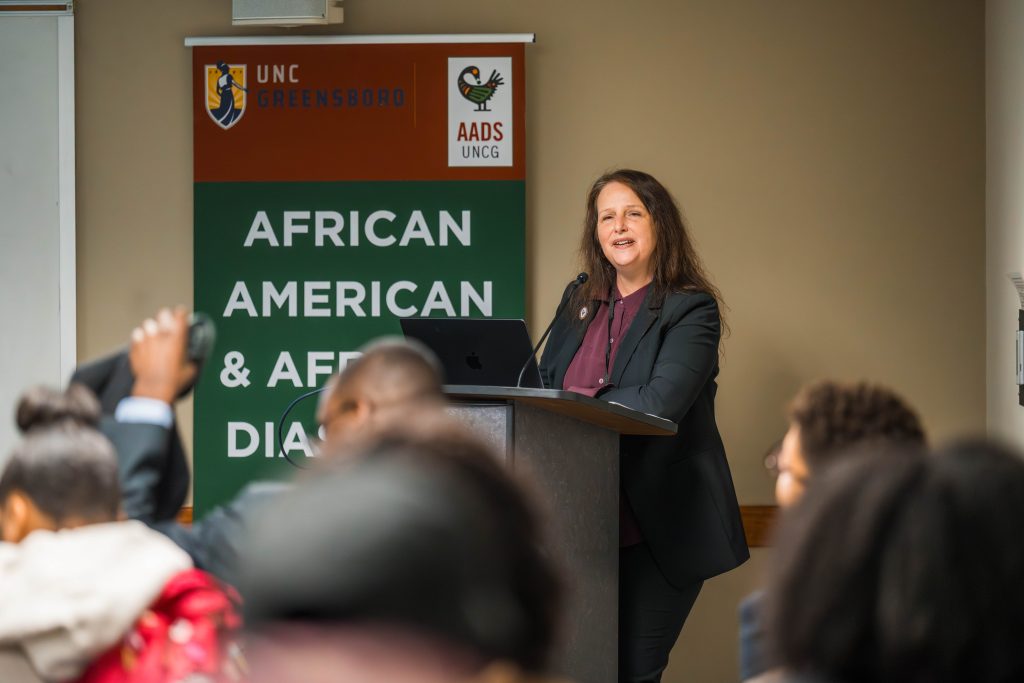
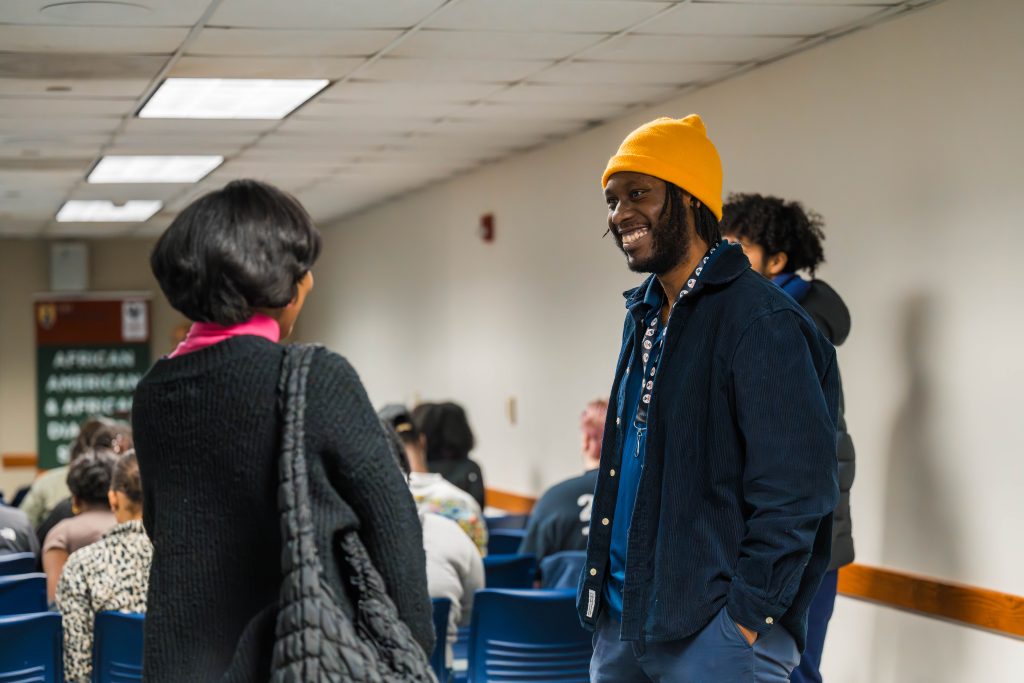
Our annual Conference on African American and African Diasporic Cultures and Experiences brings national and international speakers, community partners, and showcases student and alumni participation.
Established in 1989 with the first conference taking place in 1990, CACE brings national and international speakers and showcases student participation from UNCG majors, minors, and alumni who often go on to careers in leadership and advocacy. Community partners include area educators, librarians, farmers, artists, musicians, environmentalists, preservationists, museums, and partner colleges and universities. Keynote speakers have included Annette Gordon-Reed, bell hooks, Michael Eric Dyson, Cornel West, and Lenora Fulani.
CACE 2026
February 24-26, 2026
Race and Education
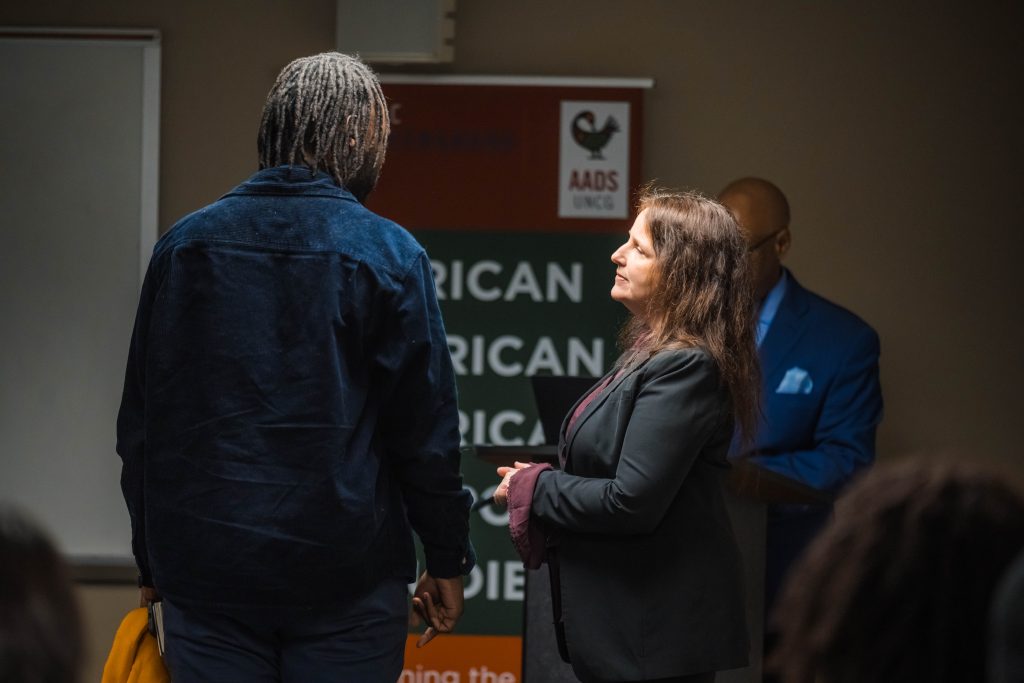
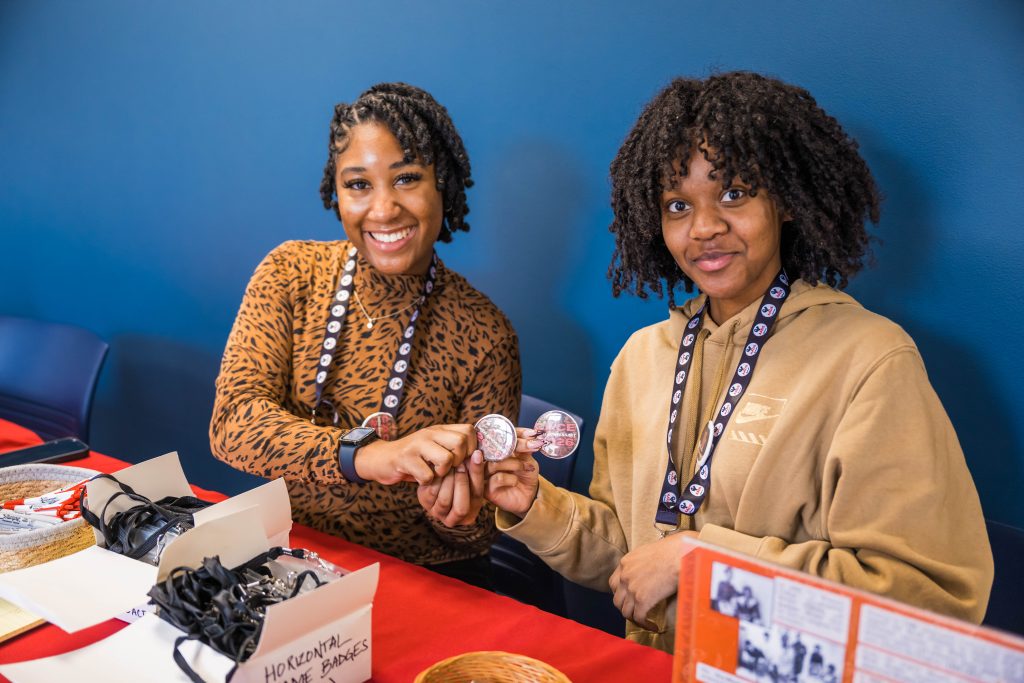
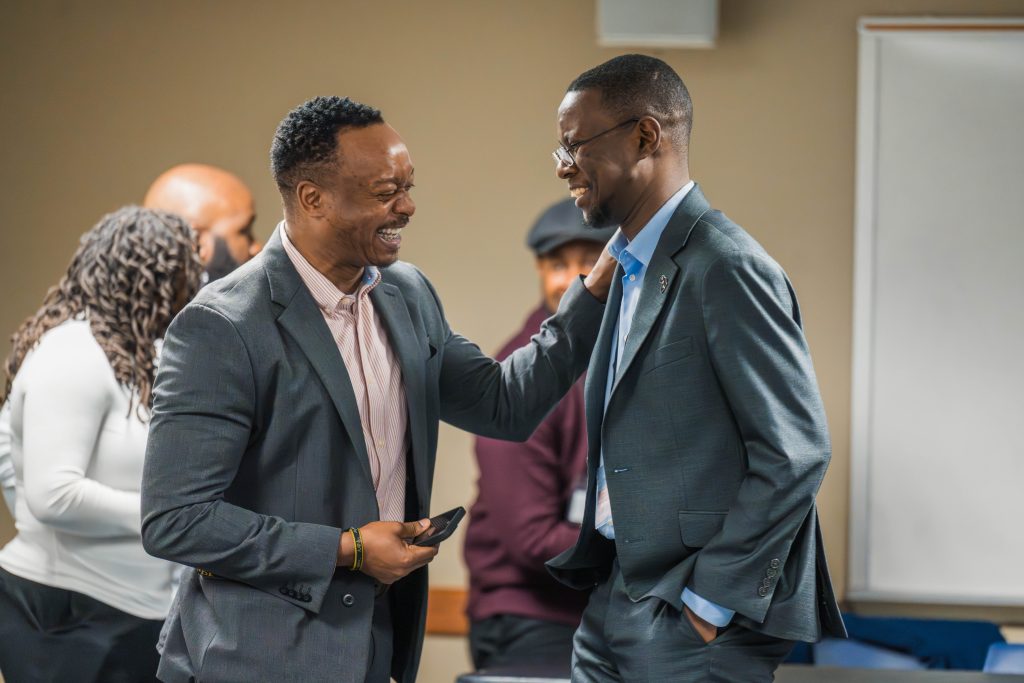
The 36th annual CACE Conference addressed Race and Education. Academic panels, workshops, roundtables, keynotes, poetry, and performances addressed: history, memory, unconventional archives, North Carolina African American educational institutions, popular culture, media and digital history, mentorship and leadership the power of autobiography and intersectionality, music, representation, incarceration and structural inequality, care, and mental health advocacy.
Celebrating the 100TH ANNIVERSARY OF BLACK HISTORY MONTH
AADS honors the educational legacy of Carter G. Woodson (1875-1950), who initiated Negro History Week in February 1926.
Woodson, an accomplished historian and journalist, recognized the importance of education and awareness of African American accomplishments and contributions to the U.S. These accomplishments were, in his words, “overlooked, ignored, and even suppressed by the writers of textbooks and the teachers who use them.” He created “Negro history kits” and teacher curriculum to counter this ignorance.
Woodson dedicated his life to advancing research and education about African Americans. He founded a press, a journal, and a professional society to support academic discourse and understanding of African American history and life. The son of enslaved people from Virginia, Woodson worked as an agricultural laborer and later a miner while earning a high school diploma. He went on to earn a B.A. (Berea), an M.A. (UChicago), and a Ph.D. (Harvard). Learn More
Photo Gallery